
If you manage a truck fleet in North America, you already know that visibility is everything. Whether it’s backing into a tight loading dock at 5 a.m., navigating a poorly lit construction site, or dealing with unpredictable weather conditions, one blind spot can turn into a costly accident.
That’s exactly why more fleet operators across the U.S. and Canada are upgrading to starlight night vision rear view cameras—a technology that’s quickly moving from “nice to have” to “essential safety equipment.”
The Real Problem: Low-Light Driving Isn’t Going Away
Many accidents involving trucks don’t happen on highways in broad daylight. They happen:
- At night
- In dimly lit warehouses
- In early morning or late evening deliveries
- During rain, snow, or fog
Traditional backup cameras often struggle in these environments. Grainy images, glare, and poor contrast make it difficult for drivers to clearly identify obstacles, pedestrians, or equipment.
For fleet managers, that means:
- Higher risk of accidents
- Increased insurance claims
- More downtime and repair costs
What Makes Starlight Night Vision Different?
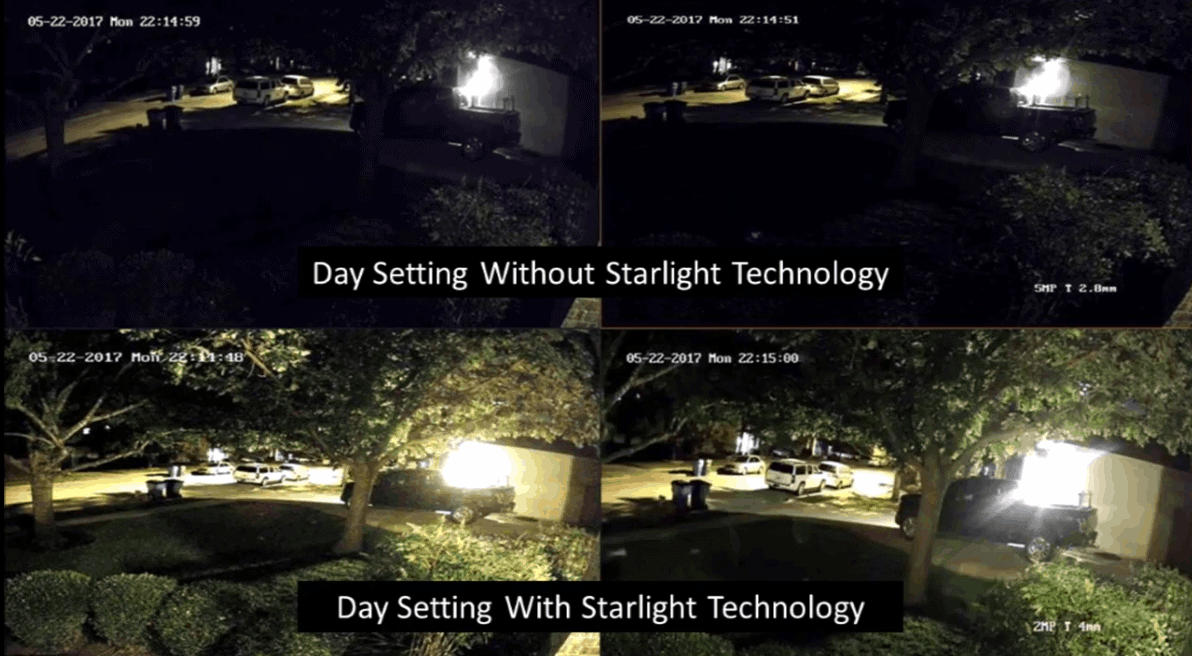
Unlike standard infrared cameras, starlight night vision cameras use highly sensitive image sensors that can capture clear, color-rich images even in extremely low light conditions.
Instead of relying only on infrared illumination, they maximize available ambient light—streetlights, moonlight, or nearby equipment lighting.
The result?
- Sharper images at night
- Better object recognition
- More confidence for drivers
A Real-World Example: Midwest Logistics Fleet Upgrade
A mid-sized logistics company based in the Midwest (operating around 60 trucks) recently faced a recurring issue:
minor reversing accidents during night deliveries at distribution centers.
Despite having standard cameras installed, drivers reported:
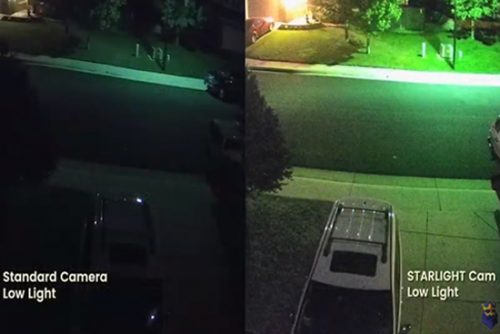
“The image gets too dark or blurry at night—we can’t always tell how close we are.”
Their Solution:
They upgraded part of their fleet with starlight night vision aluminum rear view cameras.
The Results After 3 Months:
- Noticeable improvement in night visibility
- Fewer reversing incidents
- Positive driver feedback and faster maneuvering in tight spaces
One fleet supervisor put it simply:
“Drivers trust what they see now. That alone makes a huge difference.”
Built for Real Trucking Conditions
Of course, image quality is only part of the story. In North America, equipment must handle harsh environments and heavy-duty usage.
That’s where build quality matters.
✔ Rugged Aluminum Alloy Housing
Designed for durability, aluminum housing offers:
- Better heat dissipation
- Strong resistance to vibration
- Long lifespan in demanding conditions
Ideal for:
- Long-haul trucks
- Construction vehicles
- Agricultural equipment
✔ Waterproof Performance You Can Rely On
From Canadian winters to rainy southern highways, weather is unpredictable.
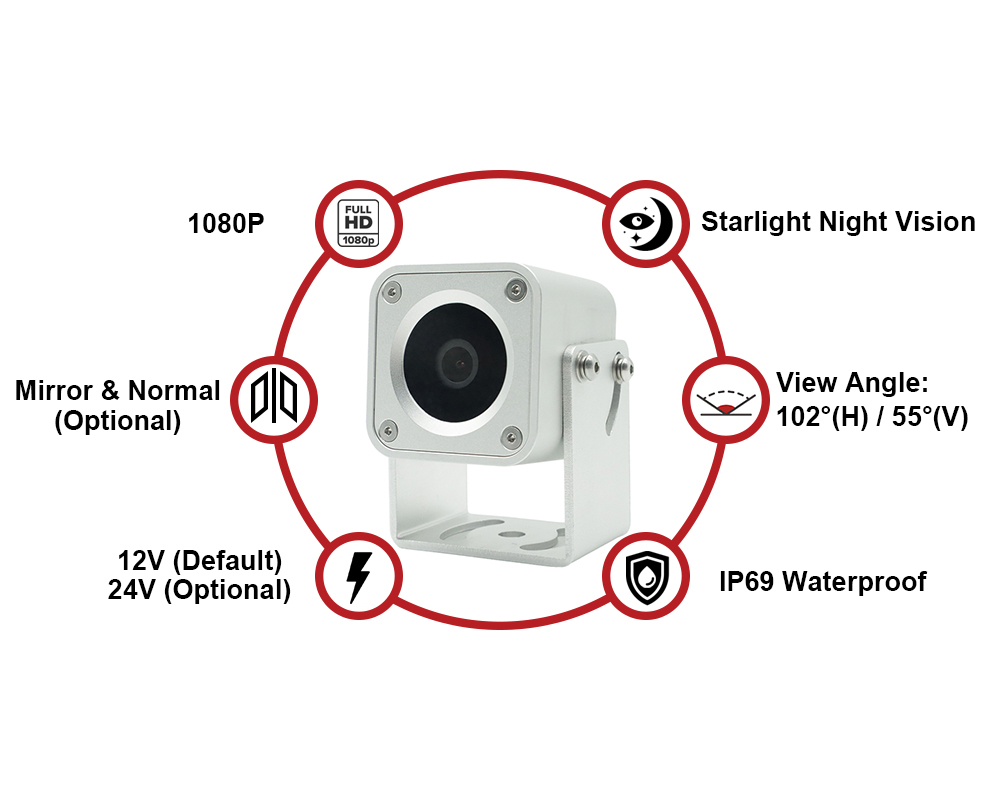
A high-level waterproof design ensures the camera continues to perform in:
- Heavy rain
- Snow and ice
- Muddy job sites
- Frequent vehicle washing
✔ Flexible Integration with Existing Systems
Many fleets hesitate to upgrade due to compatibility concerns.
Modern starlight cameras support both:
- AHD (HD video systems)
- CVBS (standard analog systems)
This makes them easy to integrate into existing monitors or DVR setups without major system changes.
More Than Safety — It’s About Efficiency
When drivers can see clearly, they:
- Park faster
- Avoid unnecessary adjustments
- Reduce stress and fatigue
For fleet managers, this translates into:
- Improved operational efficiency
- Lower maintenance costs
- Better driver satisfaction and retention
Is It Time to Upgrade Your Fleet?
If your fleet is still relying on basic or outdated camera systems, now is the time to consider an upgrade.
A starlight night vision rear view camera is not just another accessory—it’s a practical investment in:
- Safety
- Reliability
- Long-term cost savings
Final Thoughts
In today’s competitive logistics and transportation environment, small upgrades can make a big difference.
Clear visibility at night is no longer optional—it’s expected.
And for many North American fleets, switching to starlight night vision cameras has already proven to be a smart, forward-thinking decision.
